
The world of metal finishes is vast. Identifying each finish & color, knowing which finishes pair well together, and understanding which finishes are best suited for each design style warrants a full chapter. But today I want to give attention to 4 very popular, yet dated, metal finishes – brushed/satin brass, brushed/satin nickel, oil rubbed bronze, and matte black. These finishes are a big contributing factor to why kitchens and bathrooms look outdated, but there’s a simple fix. There are 7 alternatives with a similar colorway and a far more elevated look.

This post contains affiliate links.
Let’s dive into this a little deeper –

Instead Of Brushed/Satin Brass, Choose Unlacquered, Polished, Or Aged Brass
Brushed and satin brass inherently have a cheap look. This is due to many reasons – it’s mass-produced and overused, it’s heavily associated with builder-grade and flip homes, it’s often utilized on low-end materials, and the dull yellow coat is fake, not natural. Personally, it’s my least favorite finish.
Instead of brushed or satin brass, choose unlacquered, polished, or aged brass.
Unlacquered Brass
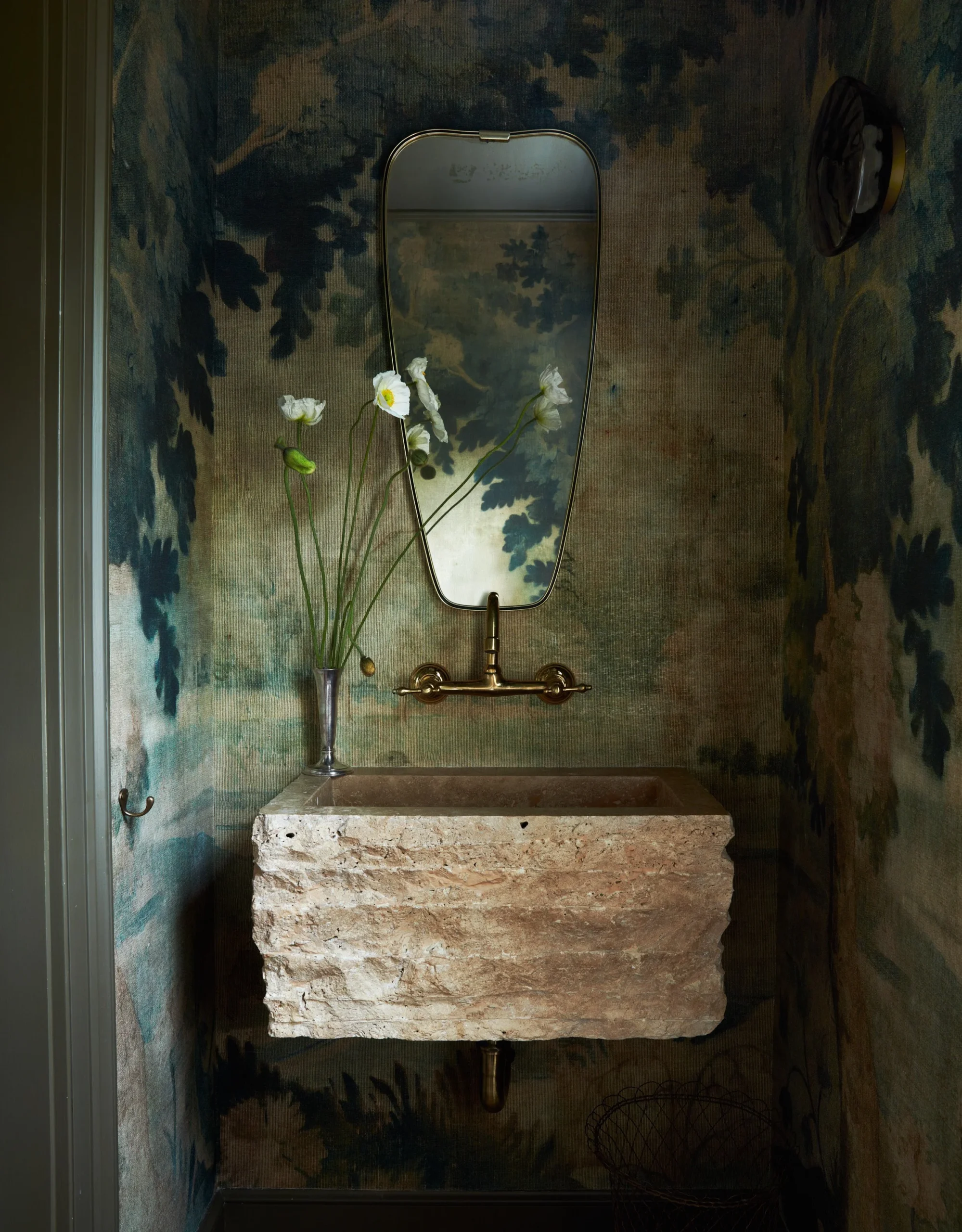
Unlacquered brass is a timeless finish. Anchored in history, it complements a wide range of design styles. From historic homes to new builds, unlacquered brass is the perfect choice for traditional, classical, European, modern, cottage, Midcentury, and transitional interiors.
Unlacquered brass is a raw brass without a protective lacquer coating. Because of this, it oxidizes over time – deepening, dulling, and shifting in color. The “living finish” develops character that you can’t replicate with faux finishes.
Polished Brass
Polished brass has a shiny protective lacquer coating that prevents it from oxidizing and developing a patina. If you like the look of unlacquered brass before it ages, polished brass is your best option! Much like unlacquered brass, polished brass is a suitable finish for traditional, classical, European, modern, Midcentury, and transitional interiors.
Aged/Antique Brass
A high-quality aged brass finish has the look of unlacquered brass after it has deepened in color and developed a patina. Aged brass is an ideal finish for both new homes that need character and old homes. Consider aged brass for rustic, cottage, European, traditional, and transitional homes.
AVOID AGED BRASS THAT HAS A FAUX BRUSHED FINISH. This manufactured imitation can look just as fake as brushed brass. Rather, look for aged (or antique) brass that has been naturally aged or antiqued by hand.
Unlacquered, Polished, & Aged Brass Hardware & Lights
SCROLL RIGHT TO VIEW THE FULL LIST →

Instead Of Brushed/Satin Nickel, Choose Polished Nickel
Much like satin brass, brushed nickel innately looks cheap. It is the default choice for builder-grade homes. The color is flat and can look painted, and the brushed texture looks streaky and manufactured. If you like the warmth of nickel, consider polished nickel instead.
Polished Nickel
If you’re looking for a silver-toned finish that still has warmth, polished nickel is an elevated option that reads classy, not flashy. Because of the warm undertone, it plays nicely with other warm finishes such as brass, bronze, and copper. Polished nickel carries a sense of elegance and is well-suited for many interiors – historic, traditional, classical, European, modern, Midcentury, and transitional interiors.
Polished Nickel Knobs & Pulls
SCROLL RIGHT TO VIEW THE FULL LIST →

Instead Of Oil Rubbed Bronze, Choose Real Bronze
Perhaps the biggest issue with oil rubbed bronze is just how artificial it looks. The perfect placement of orange highlights and the powder coated finish reads cheap, not authentic. In many cases, cheaply made ORB just looks black. Instead, choose real bronze or a deep aged brass.
Bronze
Real bronze develops an authentic patina that looks storied the longer you use it. Bronze oxidizes over time, shifting from warm brown to rich chocolate tones, sometimes with hints of copper or even greenish undertones. The weight, tone, and subtle sheen of real bronze instantly read as quality. Even new, it has depth and warmth that faux finishes can’t replicate, making it a timeless and classic finish.
Aged Brass
Dark aged brass has a very similar look to bronze with rich chocolate tones and a natural patina. For more info on this finish, scroll back up to the brushed brass section!
Bronze & Aged Brass Hardware & Lights
SCROLL RIGHT TO VIEW THE FULL LIST →

Instead Of Matte Black, Choose Hand Forged Iron
While matte black finishes have the advantage of mixing easily with any other metal finish, they are really only suitable for a few specific interior design styles – modern and transitional homes. Even then, because of mass production, the lack of depth, and the excessive use of matte black on poorly made products, this finish often looks cheap. Instead, choose a black finish with texture and variation, such as iron.
Hand Forged Iron
Black finishes look best when light and shadows reveal texture and depth in the material itself. Hand forged iron provides a sense of history and a handmade quality that complements rustic, Midcentury, and country interiors. When it comes to iron, texture implies quality and establishes authenticity.
Iron Knobs & Pulls
SCROLL RIGHT TO VIEW THE FULL LIST →
Where behind the scenes, exclusive advice, and candid conversations are sent straight to your inbox every week.
The Inside Scoop
DO YOU WANT