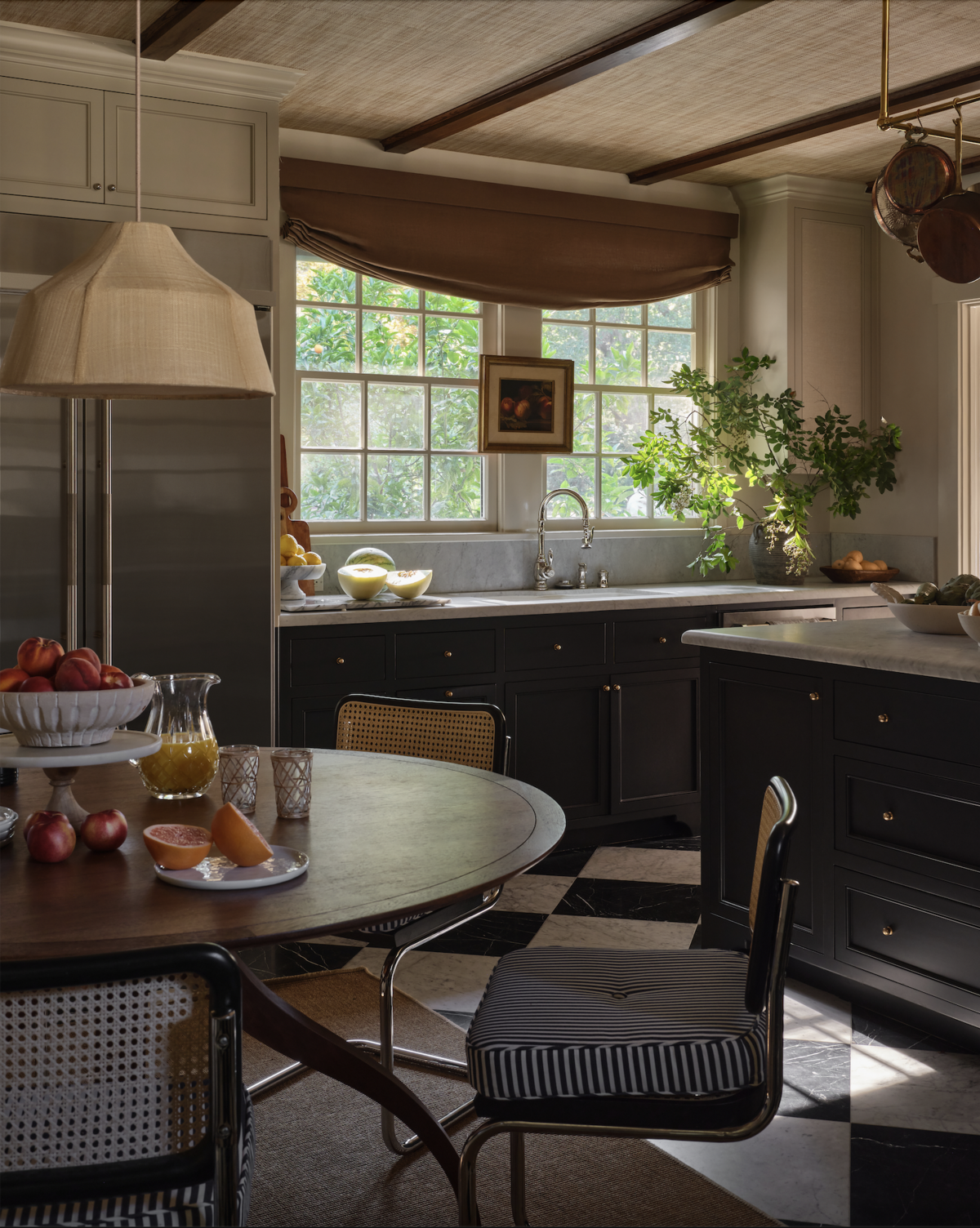

Interior design is a funny thing. To some, it’s a series of rules and formulas that, when followed meticulously, create perfection. To others, it’s not about rigidity, but rather an opportunity to express creative freedom. I find myself snug in the center of the two camps. Design is no fun when it’s merely a series of guidelines that you must follow. But it can also look chaotic, and often amateur, when there is no order.
It’s true that design does have a lengthy list of rules and guidelines that are considered best practices. Some rules, such as spatial planning, lighting schemes, and kitchen layouts, are in place to create a more functional home. Other guidelines, like interior sight lines and curtain stack width, were formed to create an optimal user experience. And some rules, such as artwork placement and pattern mixing, were formed purely as a broad aesthetic preference. These rules shouldn’t be ignored, because ultimately they do create a foundation of “good” design. But of course, there is always room for creative interpretations.
This post contains affiliate links.

Learn the rules like a pro, so you can break them like an artist.
– Pablo Picasso
If there’s one thing I hope you remember from this article, it’s the quote above from Pablo Picasso. “Learn the rules like a pro, so you can break them like an artist.” When one displays an understanding of the fundamentals of design and executes those rules throughout the home, a broken rule looks like an intentional choice rather than a mistake. Creative freedom is often expressed by breaking the rules. And it’s those broken rules that become the conversation piece, the focal point, and the necessary juxtaposition that stirs up an emotional response. But a broken rule can only look intentional if the fundamentals of design are properly displayed in the surrounding elements of the room.

There are many different ways you can break the rules. Some opt for cropped curtains, opposed to the usual floor-length standard. Some put conventional objects in unconventional places – like artwork on a window or grasscloth on the ceiling, as shown in the kitchen above. I tend to think of design in two parts – architecture and decor. When it comes to the architecture of a home (i.e. millwork, casings, windows, cabinetry, etc), I follow the rules. I stick to historical presedence and stay true to the guidelines, because a home with good bones is the ultimate foundation for good design. But when it comes to furnishing the home (i.e. seating, textiles, artwork, colors, decor, etc), this is where I allow myself to be playful.
With most decisions still rooted in the fundamentals, allow yourself to pick a fabric that may not be the “correct” choice. Use a sleek coffee table amongst a classically inspired room. Or mix furniture from a couple different periods so as to not pigeonhole your home into a specific decade. There are no rules for *how* to break the rules; that’s where creativity and experience come into play!
If you’re new to interior design, this handbook is incredibly helpful and easy to digest. Consider it a resource for spatial planning, lighting tips, and basic principles. I have a free course on color theory that breaks down how to create and execute a color palette. And I have also published nearly 20 design guides here on Nadine Stay, each outlining specific standards and proven formulas. You can find links to a few favorites below.

When To Use Curtains Vs Shades (7 Unique Window Scenarios)

How To Create A Color Palette (A Lesson On Color Theory)

Dining Table Size, Shape, & Seating Guide

The #1 Tip For Creating An Efficient Kitchen Layout

Rug Size & Placement Guide (This One Is Important!)

The Do’s & Don’ts of Curtain Placement

Three Sources of Light Every Room Should Have

How To Mix Multiple Metal Finishes

How To Mix Wood Tones
Leave a Reply
Where behind the scenes, exclusive advice, and candid conversations are sent straight to your inbox every week.
The Inside Scoop
DO YOU WANT
Love this balanced approach! Keeping the architecture classic creates the perfect canvas for playful decor
That Picasso quote is the perfect mantra for interior design! It’s all about building that foundation of ‘good’ design so that the creative risks truly feel like intentional art.
You are such a great writer. You explain everything so well.
That is so kind of you to say, thank you Mary!! 🙂